Damascus Between the Heritage of the Past and the Vision of the Future… How the Map of Housing and Investment is Shaping Up
Damascus is considered one of the oldest continuously inhabited cities in history. It is not merely a city with deep cultural roots, but rather a continuously evolving urban entity that maintains a delicate balance between past and present. This blend of authenticity and development has made its real estate landscape a unique case worth examining, especially when observing how housing and investment patterns have evolved over time.
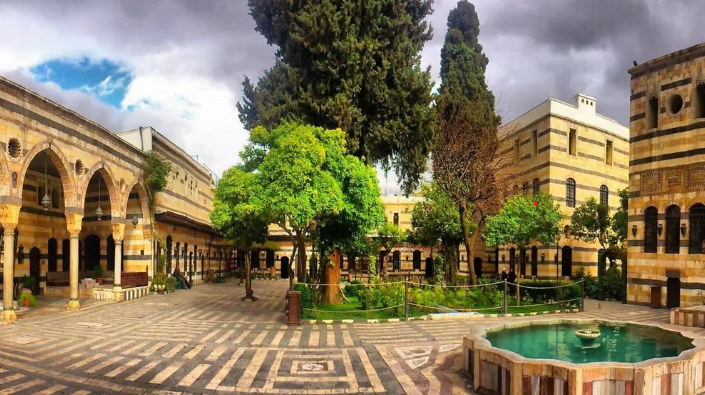
In the heart of the capital, the old districts still preserve their distinctive architectural identity, with traditional Damascene houses and narrow alleys that reflect the deep spirit of the place. These areas are no longer seen as purely residential zones; they are increasingly gaining cultural and touristic value, which gives them a special presence in the real estate market and makes them a different choice for those seeking identity and character rather than just space or location.
On the other hand, Damascus is witnessing gradual urban expansion through modern projects that aim to introduce a new concept of living. These developments are not limited to traditional construction, but rather focus on creating integrated environments that include services, planned infrastructure, and more open and comfortable spaces. This reflects a clear shift in urban thinking within the city and an adaptation to changing lifestyle needs.
This contrast between the old and the new is not a contradiction, but rather a strength of Damascus’s real estate market. Today’s investor is presented with multiple options, ranging from unique heritage-style properties to modern developments that offer a different, more organized and stable lifestyle. With this diversity, investment decisions are increasingly based on objectives and expected returns rather than location or appearance alone.
With ongoing urban development and gradual city expansion, the housing and investment map of Damascus is being reshaped into a more balanced and diverse structure. It reflects both the city’s long-standing identity across centuries and its future vision that combines heritage preservation with modern urban development.